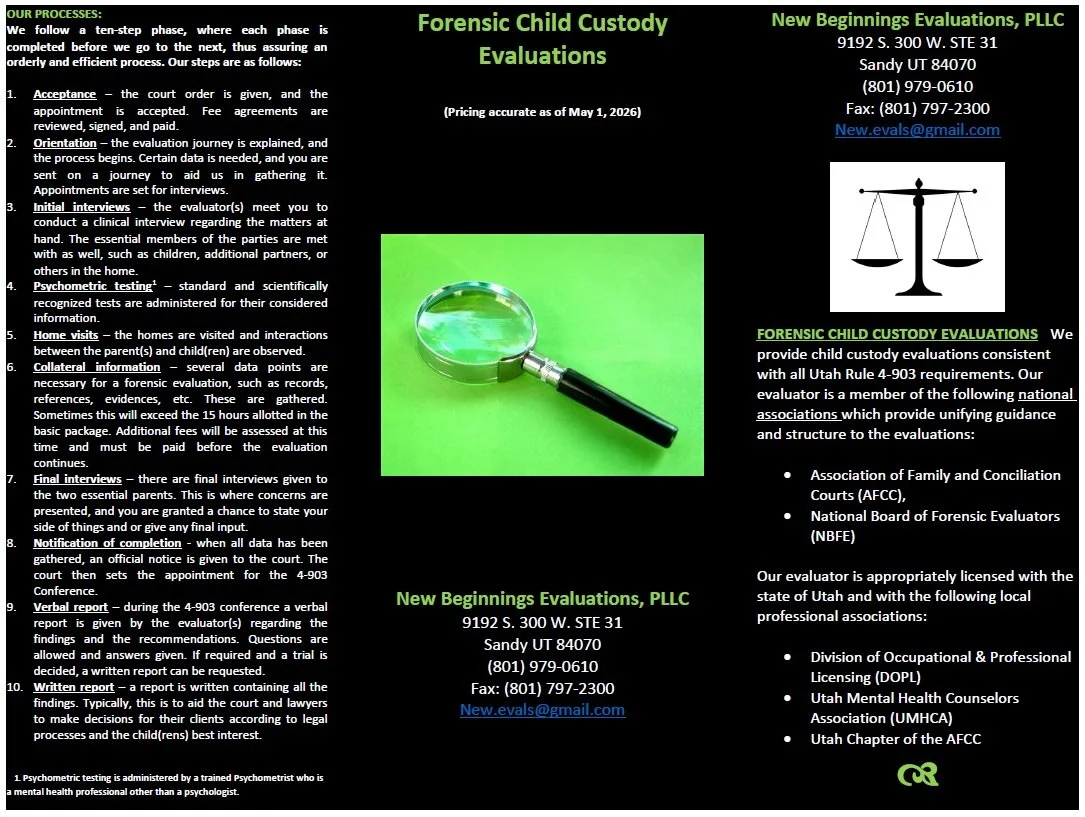
4-903 Custody Evaluations
Offering custody evaluations via online video!
At New Beginnings Evaluations, PLLC, we are able to provide online video custody evaluation services. We use a Simple Practice, a HIPAA compliant system, for all of our online video appointments. Providing online video evaluations allows simpler and more efficient access to the evaluation process from the home or office, as well as grant us the tools for enhanced forensic evaluation, such as turning up the volume if there is trouble hearing or taking screen shots of home visits etc. Also, rural and underserved communities are immediately brought into servicability with the same forensic standards of quality evaluation. Online video interviews and interactions allows for a less intrusive, more cost-effective option. In fact, online video (or Telehealth) allows us to see the interactions of the family in a more conducive setting with our online video home visits.
*All custody and other evaluations are conducted via online video. If an in person evaluation is required, additional fees will apply.
Custody Evaluation Steps
-

1. Order of Appointment
The judge/commissioner must first appoint a custody evaluator that both the petitioner and respondent have agreed to —once we have been appointed we start the process with 72-hours of confirmation of payment.
-

2. Orientation
During Orientation we review the steps in the process, the required documents (divorce decree, medical records, grades, etc.) needed references, fee agreements, and applicable fee addendums
-

3. Initial Interviews
All adults and children in the household meet for an initial clinical interview with our custody evaluator. During this time, each party has an opportunity to discuss their perspective on what they feel is best for the children and why. Also, reference calls will be done at this time.
-
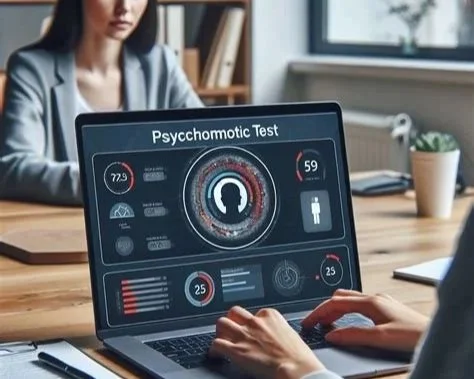
4. Psychometric Testing
We utilize nationally standardized psychometric testing to screen for potential child abuse, substance abuse, and psychopathology.
-

5. Home Visits
This includes 2 hours of observation of your home and family in a routine setting (dinner, homework, play-date, etc.). All members of the family are present and interacting at this time.
-

6. Collateral Information
At this stage, validating documents, text messages, photos, DCFS or police reports, back ground checks, and professional reports, etc. that help build your case are to be turned in to prepare for the verbal 4-903 report.
-

7. Final Interviews
During this stage, both parents will be asked final questions. This is to clarify issues or concerns and grant a chance to respond about things seemingly against you. As with all other interviews and interactions, this will be online video.
-
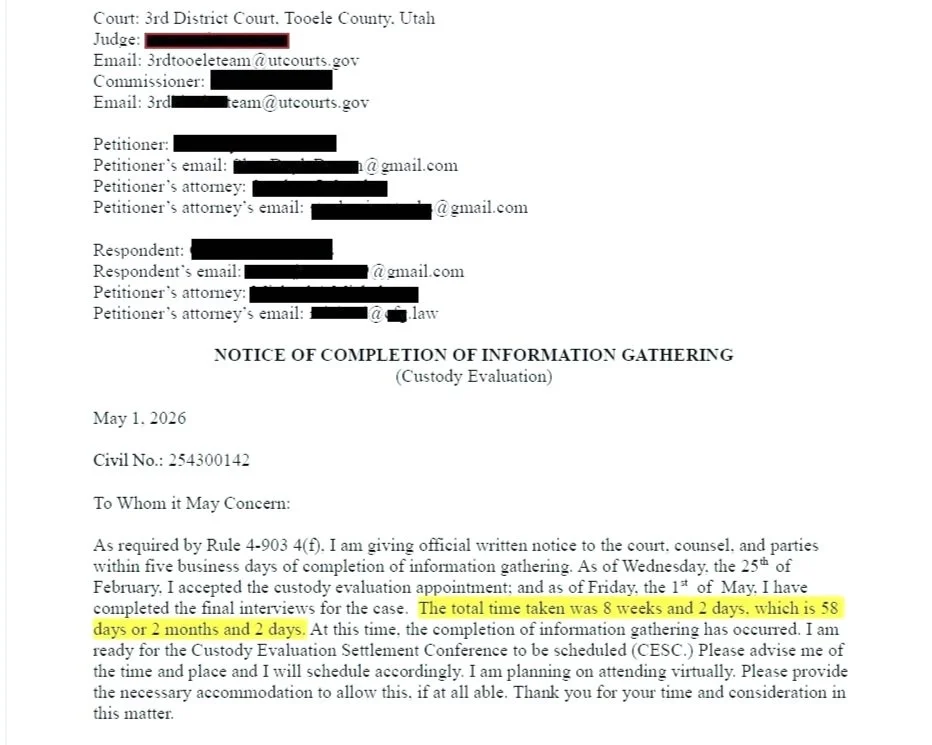
8. Notice of Completion
After the final interviews and when all the collateral information has been submitted (there are dead lines), Utah law states a notice of completion of information gather must be sent out. This triggers the setting of the verbal report appointment.
-

9. 4-903 Verbal Report Conference
The court or officers appoint a date to present custody-evaluator’s findings, recommendations, and decision regarding custody during the 4-903 verbal report conference.
-
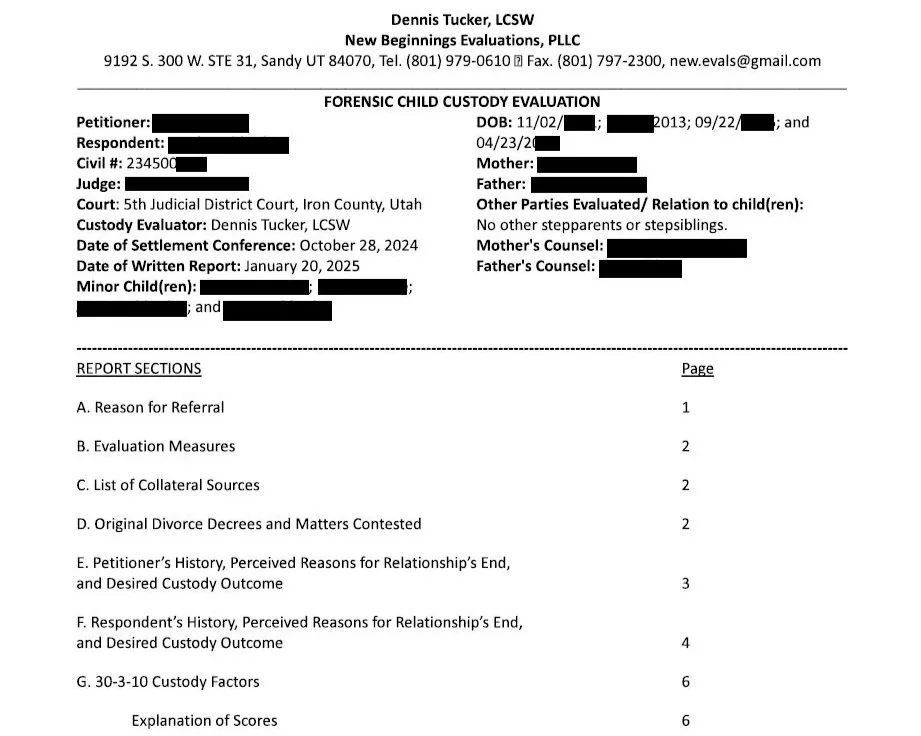
10. The Written Report
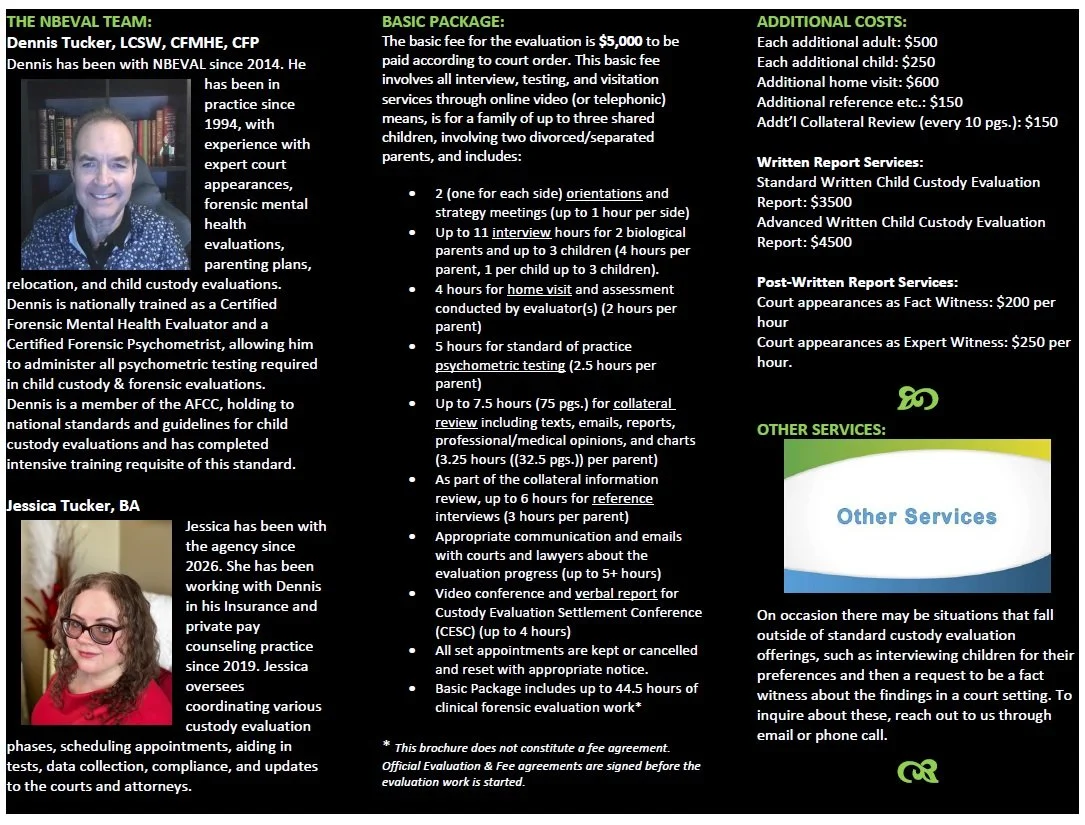
Occasionally, a written report is desired. Perhaps the finding are important to have a record on or they are to be disputed in court. Utah law grants 28 days after the verbal report to request a written report. This takes time, often 20, 30, or even 40 hours of writing. It also has additional fees.